

What is it, advantages, applications and finishes
Microcemento has become one of the most in-demand decorative coatings in architecture and interior design thanks to its modern aesthetics, high resistance, and ability to renovate spaces without construction work. More and more homes, commercial spaces, and design projects are choosing microcement as an alternative to traditional coverings.
In this complete guide, you’ll find all the essential information circa microcemento, what it is, how it’s applied, where it can be used, its real advantages, types, colors, finishes, and answers to the most common questions before making a decision.
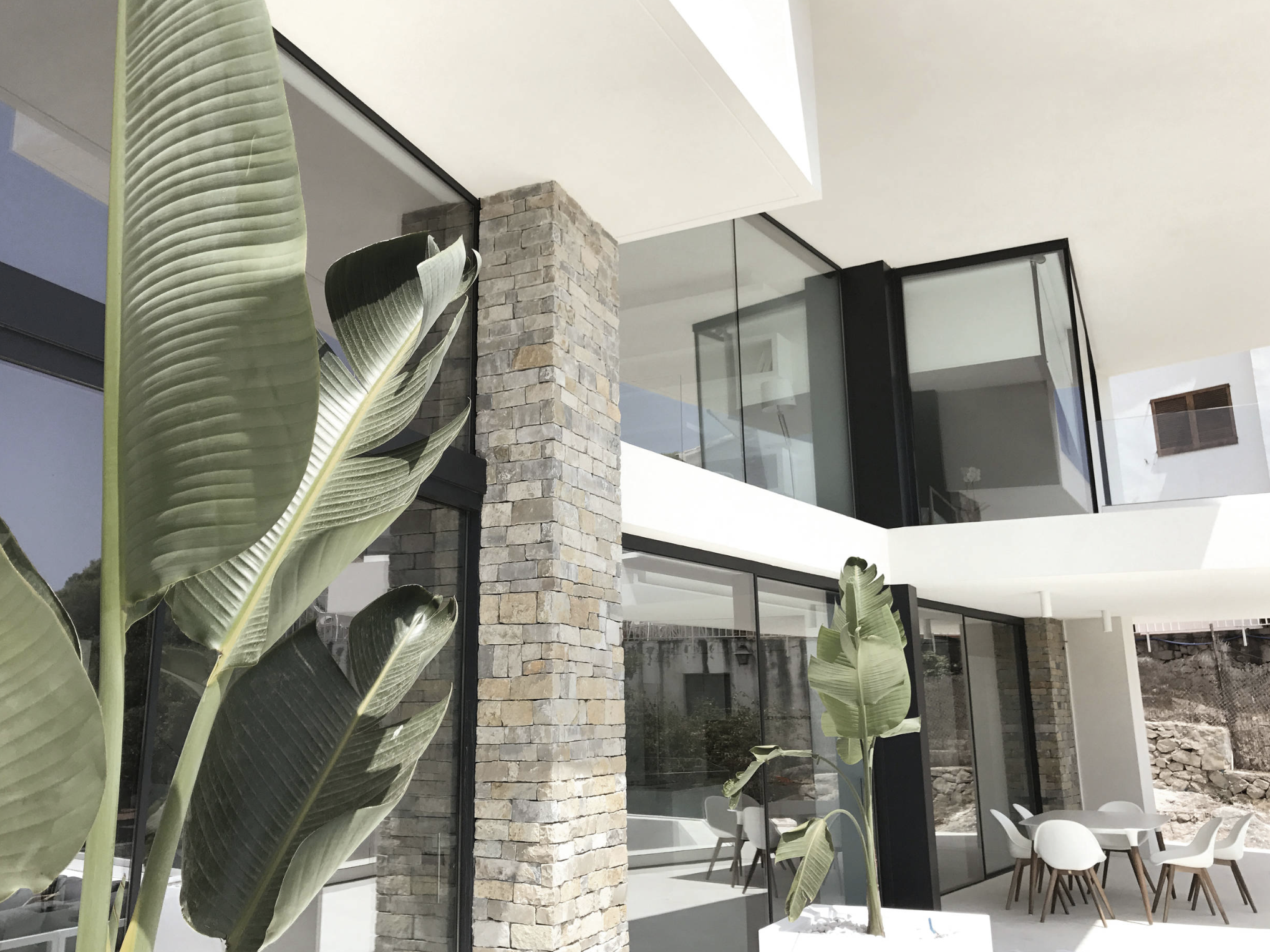
Che cos'è il microcemento?
Microcemento is a continuous, low-thickness coating made from a combination of special cements, resins, additives, and mineral pigments. It is applied artisanally in several very thin layers over existing surfaces, creating a seamless, elegant, e highly resistant finish that adapts perfectly to both modern and classic design styles.
One of its greatest advantages is that it does not require demolition or removal of the existing material. This makes it possible to renovate floors, walls, stairs, bathrooms, kitchens, or even furniture quickly, cleanly, and efficiently, reducing downtime, debris, and overall renovation costs while achieving a completely renewed look.
Microcement can be applied over a wide variety of substrates, provided they are properly prepared, including ceramic tiles and porcelain, concrete, cement screeds, plaster and drywall, marble, natural stone, and even wood surfaces with the appropriate technical preparation, ensuring excellent adhesion and long-lasting performance.
Where can microcement be applied?
The exceptional versatility of microcement allows it to be applied to virtually any type of surface, both indoors and outdoors. Its outstanding adhesion, combined with its minimal thickness, means it can be installed directly over existing coatings without the need for demolition or removal. This makes microcement an ideal solution for quick, clean, and hassle-free renovations, transforming spaces efficiently while maintaining structural integrity and aesthetic continuity.
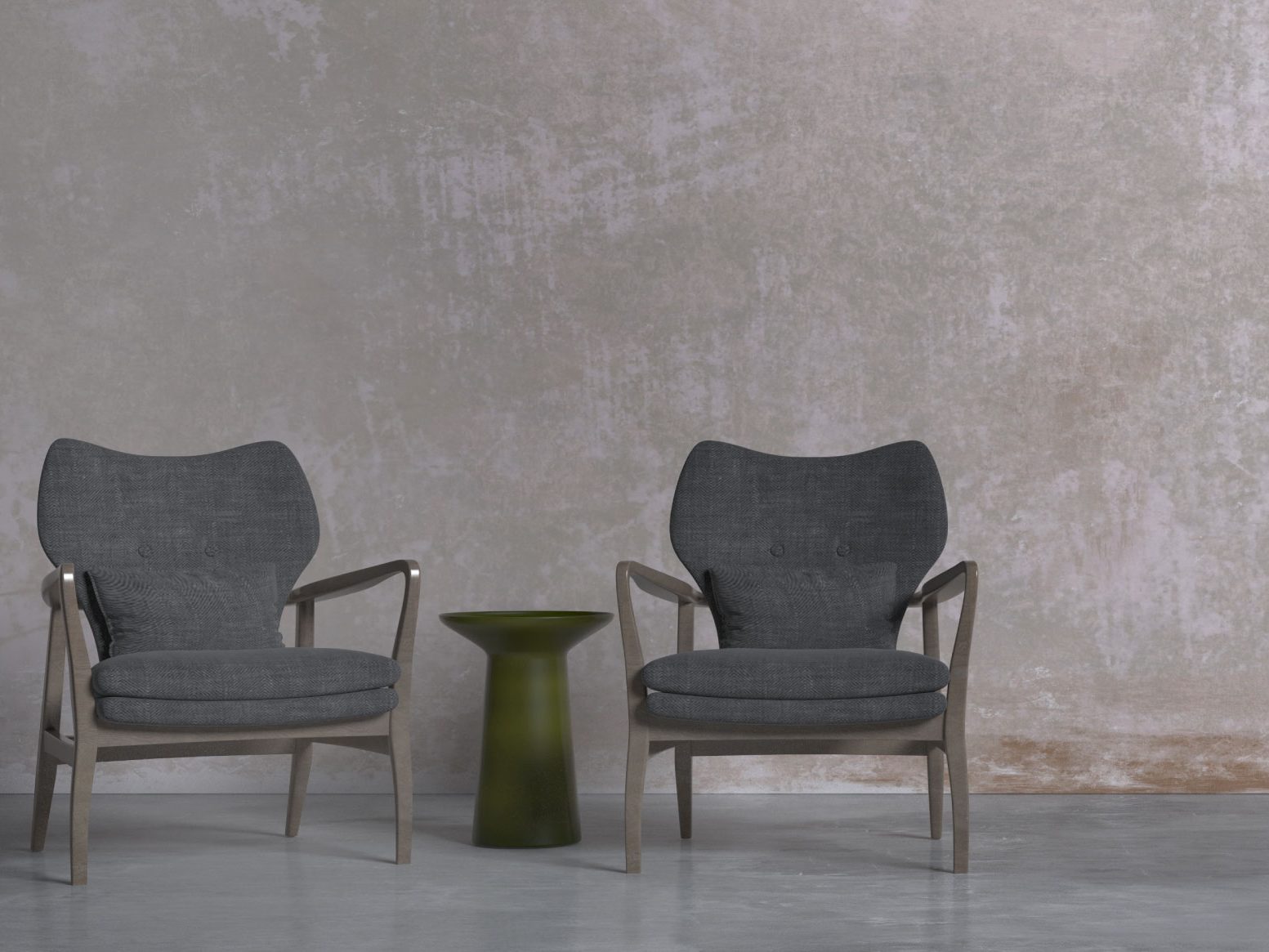
Types of microcement
There are different microcement systems designed to meet specific uses and performance requirements, ensuring the best results for each project.
Microcement for interior floors is optimized for durability, comfort, and wear resistance in living spaces.
Microcement for walls is formulated for smooth, seamless finishes that enhance aesthetics in any room.
Microcement for exteriors is resistant to weather conditions, UV rays, and temperature changes.
Microcement for wet areas is specially designed for bathrooms, kitchens, and other humid environments.
Anti-slip microcement provides extra safety for areas prone to moisture or heavy traffic.
Each type is carefully selected based on the substrate, location, intended use, and technical requirements of the project to ensure optimal performance, longevity, and visual appeal.
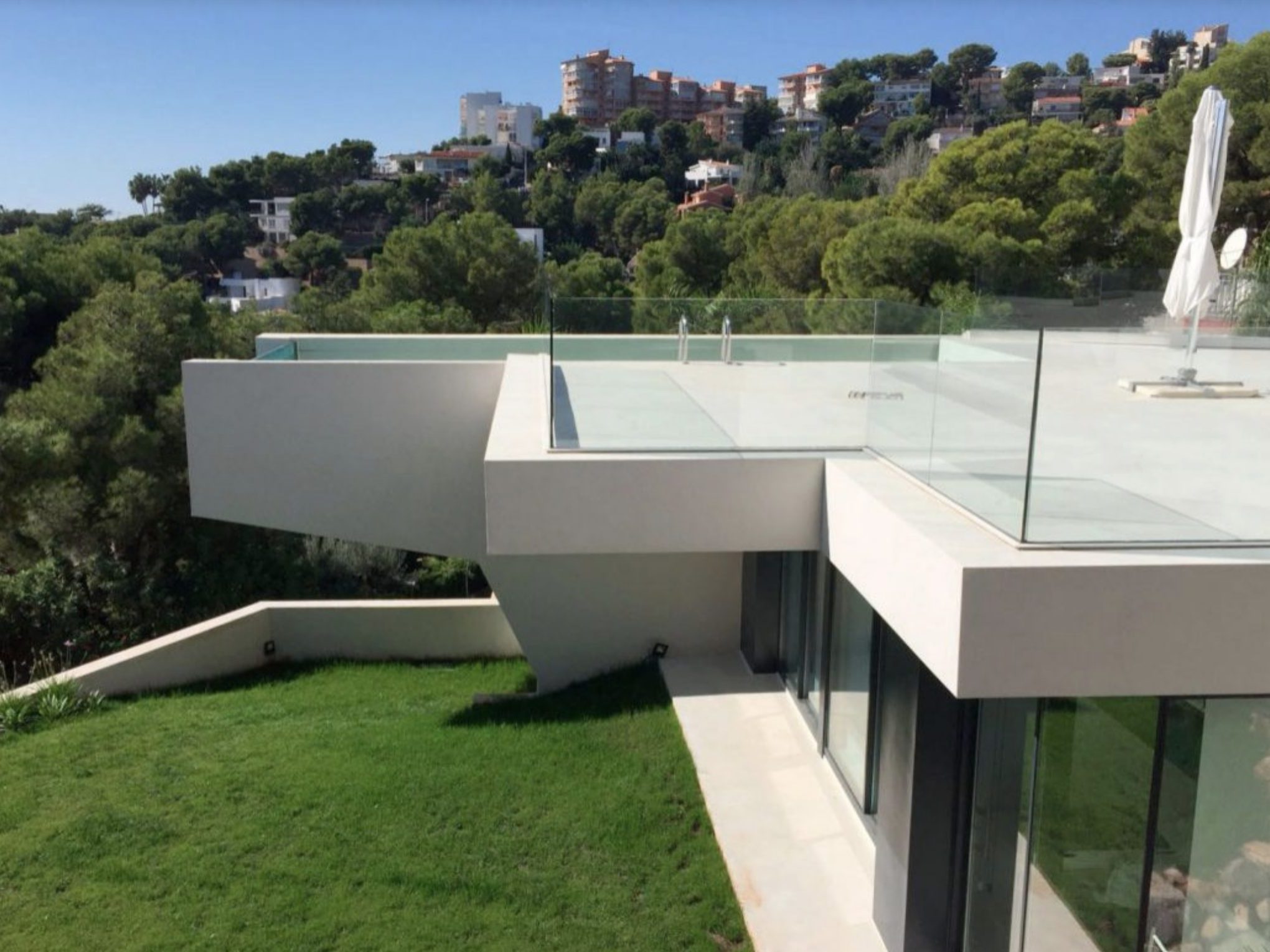
Colors and finishes of microcement
Microcemento offers complete creative freedom, with a wide range of colors inspired by natural, industrial, and contemporary tones.
Its finishes include smooth and polished, satin, textured, rustic, and industrial, allowing the surface to match any design style. In addition, fully customized colors can be created, adapting the final finish to the space’s style, lighting conditions, and each client’s aesthetic preferences, resulting in a truly unique and exclusive outcome.
Microcement application process
Proper application is key to ensuring the durata of microcemento.
Evaluation and preparation of the substrate, repair and leveling of the surface, application of primer, application of microcement layer, in just a few days, the space is completely renovated and ready for use.
Microcement maintenance
Maintaining microcemento is simple.
Regular cleaning with water and neutral soap, avoid abrasive products, renew the sealant periodically if necessary.
With proper maintenance, microcement maintains its original appearance for many years.
Frequently asked questions about microcement
1. What is the resistance and hardness of microcement?
Despite its reduced thickness, microcement stands out for its high resistance and hardness. There are different types of microcement depending on their granulometry and intended use. Coarser-grain microcements are recommended for floors, as they offer greater resistance to foot traffic, while finer-grain microcements are more suitable for walls.
The final resistance of microcement depends on several factors, such as the substrate, the type of microcement selected and the sealer applied.
2. Does microcement require special care?
Microcement does not require special care, but proper maintenance is essential. For daily cleaning, water and neutral soap are recommended. Abrasive or aggressive cleaning products should be avoided, as they may damage the sealer.
3. On which substrates can microcement be applied?
Microcement can be applied over most existing substrates, such as tiles, ceramic, marble, terrazzo, concrete, cement, plaster or drywall. The surface must be clean, dry, stable and free from moisture.
4. Can microcement be applied over underfloor heating?
Yes, microcement is compatible with underfloor heating systems. Thanks to its low thickness, it allows efficient heat transmission. It is essential to follow the correct heating system start-up and shut-down protocol before and after application.
5. Is microcement waterproof?
Microcement is not waterproof by itself, but it becomes completely waterproof once the appropriate sealer is applied. Therefore, it is suitable for bathrooms, kitchens and wet areas such as showers.
6. Is microcement anti-slip?
Depending on the finish and the type of sealer used, microcement can be anti-slip. Specific treatments are available to improve slip resistance, especially for floors and wet areas.
7. What is the difference between microcement and polished concrete?
Microcement is a continuous decorative coating with a very low thickness that does not require joints or heavy machinery. Polished concrete requires greater thickness, expansion joints and more complex construction work.
8. How long does a microcement renovation take?
A microcement renovation usually takes between 3 and 5 days, depending on the surface area, the substrate and the chosen system. As it is applied over existing surfaces, renovation times and debris are significantly reduced.
9. Is it necessary to trim doors?
In most cases, it is not necessary. With an approximate thickness of 2 to 3 mm, microcement usually allows doors and frames to remain unchanged.
10. How should microcement be cleaned?
Microcement should be cleaned with water and neutral soap or with cleaners specifically designed for continuous surfaces. Abrasive products, bleach, ammonia and metal scouring pads should be avoided.
11. Can microcement lose colour over time?
Far far away, behind the word mountains, far from the countries Vokalia and Consonantia, there live the blind texts. Separated they live in Bookmarksgrove right at the coast of the Semantics, a large language ocean.
12. Why may there be differences in gloss between the sample and the finished project?
Samples are for reference only. The final gloss may vary depending on the substrate, the application technique, material absorption and the type of sealer used. Each microcement application is unique and handcrafted.
13. Can colours be combined on the same surface?
Yes, different microcement colours can be combined on the same surface to create custom designs or define different areas.
14. Is it mandatory to apply reinforcing mesh?
It is not mandatory in all cases, but it is highly recommended, especially on floors and substrates prone to cracking. The mesh reinforces the system and helps prevent cracks.
15. How long should be left between the first and second coat of sealer?
The drying time is usually between 4 and 24 hours, depending on the type of sealer, temperature and ambient humidity. The manufacturer’s technical instructions should always be followed.
16. How much does microcement cost per square metre?
The price of microcement depends on the system used, the surface area, the condition of the substrate and the complexity of the work.
17. How can I sign up for a microcement course?
You can register by contacting us directly or through our website. We offer theoretical and practical training adapted to different experience levels.
18. Can microcement be applied at low temperatures?
Microcement should not be applied at temperatures below 10 °C, as this may negatively affect drying times and final performance.
Why choose microcement for your project?
Microcemento is a modern, durable, and highly customizable solution that allows you to transform any space without complicated construction work. Its seamless aesthetics, resistance, and versatility make it one of the best options for contemporary ristrutturazioni e design projects.

Request information or a no obligation quote
Our team will advise you to find the best microcement solution for your space.